
Hearing unusual sounds from your washing machine can be alarming. Understanding the source of the noise is essential for proper troubleshooting. In this guide, we will explore common causes of noisy washing machines and provide actionable steps for identifying and resolving these issues.
Common causes of noise
Washing machines can produce various noises, each indicating a different problem. Here are the most common sounds you might hear:
- Banging or clanking: Often caused by loose items in the drum or an unbalanced load.
- Grinding: This could indicate worn-out bearings or a problem with the motor.
- Humming: A sign that the motor is running but possibly struggling due to a belt issue.
- Whining: May suggest that the drive belt is slipping or the motor is failing.
Checking the load balance
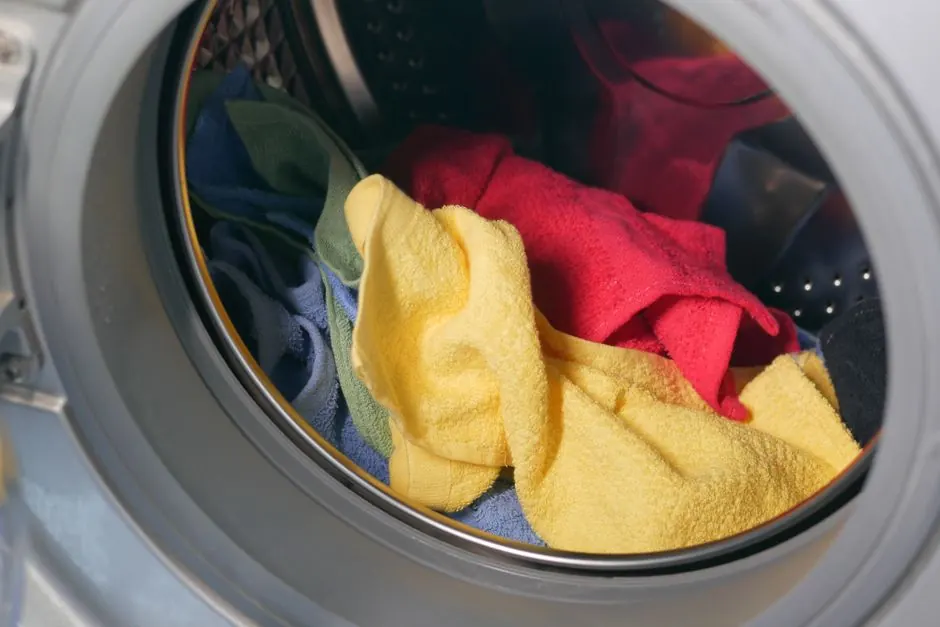
One of the first steps in troubleshooting a noisy washing machine is to check the load balance. An unbalanced load can cause excessive vibrations and noise during the spin cycle. Here's how to check:
- Open the washer and redistribute the clothes evenly.
- Make sure that heavy items are not mixed with lighter ones.
- Run a short cycle to see if the noise persists.
If the machine is still noisy, it may be time to look deeper into its mechanics.
Inspecting the drum and bearings
The drum and its bearings are crucial components that can wear out over time. If you suspect this is the issue, follow these steps:
- Disconnect the washing machine from power.
- Remove the front or back panel to access the drum.
- Check for any signs of wear on the bearings; they should rotate smoothly without excessive play.
If you notice any damage, you may need to contact professionals for Washer Repair Ames IA.
Examining the motor and belt
A noisy washing machine could also indicate problems with the motor or belt. Here's how to inspect these components:
- Unplug the machine to ensure safety.
- Remove the access panel to expose the motor and belt.
- Check the belt for signs of wear or fraying.
- Ensure the motor is securely mounted and free of obstructions.
If the belt is damaged, consider replacing it to eliminate the noise.
Common mistakes
When troubleshooting a noisy washing machine, homeowners often make several common mistakes:
- Ignoring the user manual: Always refer to the manual for specific troubleshooting advice.
- Forgetting to check the level: Ensure the washing machine is level on the floor to prevent vibrations.
- Neglecting regular maintenance: Regularly clean and maintain your machine to avoid issues.
When to call a professional
If you've attempted the above troubleshooting steps and your washing machine is still noisy, it may be time to consult with experts. At Ames Appliance Repair Experts, we offer comprehensive Washing Machine Maintenance Ames IA services to address any issues you might face.
Frequently Asked Questions
What causes a washing machine to make a loud banging noise?
A loud banging noise often results from an unbalanced load or loose items in the drum. Check the load and redistribute clothes evenly.
How can I tell if my washing machine bearings are bad?
If you hear grinding noises or if the drum moves excessively, the bearings may be worn out. Inspect them for signs of damage.
Is it safe to run a washing machine with a broken belt?
No, running a washing machine with a broken belt can cause further damage. It's best to replace it before using the machine again.
How often should I perform maintenance on my washing machine?
Regular maintenance should be conducted every six months to ensure optimal performance and longevity.
When should I call a professional for appliance repair?
If you notice persistent noises after troubleshooting or if you're uncomfortable performing repairs, contact a professional for help.
Get help with Appliance Repair in Ames
If you're struggling with a noisy washing machine, don't hesitate to reach out for professional assistance. Contact us at (888) 862-0019 for reliable appliance repair services in Ames.